
Credit cards have long been seen as a double-edged sword for many consumers. On one hand, they offer convenience, rewards, and the potential to build credit; on the other, they can be a gateway to mounting debt if not managed carefully. However, in recent years, a growing number of Americans have found ways to use credit cards as tools for enhancing their personal financial situations.
Instead of viewing them solely as a means to borrow money, savvy consumers are leveraging the benefits of credit cards to build credit, earn rewards, and manage their finances more effectively. This shift has led to a more strategic and thoughtful use of credit cards, turning them into powerful financial assets rather than liabilities.
Building a strong credit score with responsible card usage
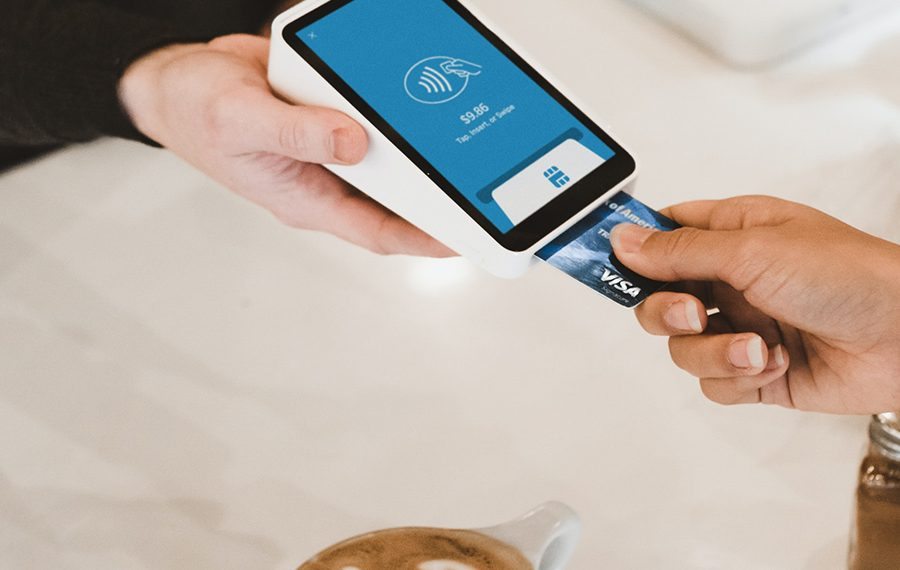
One of the most common ways consumers in the US are using credit cards to improve their finances is by building a solid credit score. Credit scores play a crucial role in many aspects of personal finance, from securing loans to getting better interest rates on mortgages. By using credit cards responsibly, consumers can significantly improve their scores over time.
Using credit cards wisely means paying off balances in full every month, making payments on time, and keeping credit utilization low. Credit utilization, the amount of available credit being used, is a key factor in calculating credit scores.
Ideally, consumers should aim to keep their utilization below 30% of their total credit limit. Regularly paying off credit card balances before the due date shows lenders that the cardholder is financially responsible, which positively impacts their credit score.
Additionally, having a long credit history is beneficial for maintaining a high score. Consumers who keep their oldest credit card accounts open, even if they don’t use them frequently, benefit from the longevity of their credit history. In summary, responsible credit card use allows consumers to boost their creditworthiness, opening doors to better financial opportunities in the future.
Maximizing rewards programs for financial gains
Another significant way consumers are using credit cards to improve their personal finances is through the strategic use of rewards programs. Many credit cards offer rewards in the form of cashback, points, or miles, which can be redeemed for travel, gift cards, or even direct statement credits. By choosing the right credit cards and using them strategically, consumers can turn everyday purchases into opportunities for financial growth.
For instance, cashback cards allow cardholders to earn back a percentage of what they spend, which can be used to reduce future balances or saved for larger financial goals. Some consumers use these rewards to pay for necessities like groceries or gas, while others save them for bigger expenses, like vacations.
Travel rewards cards are particularly popular among frequent travelers, offering significant savings on flights and hotels when points or miles are accumulated and redeemed wisely. To maximize these rewards, consumers often use multiple cards that specialize in different spending categories, such as groceries, dining, or travel.
By doing so, they ensure they are earning the most rewards possible for every purchase they make. Additionally, many credit cards offer sign-up bonuses, where new cardholders can earn a large number of points or cashback after spending a certain amount within the first few months of opening the account. These bonuses can provide a substantial financial boost when used strategically.
Credit cards as tools for budgeting and financial management
In addition to building credit and earning rewards, many consumers are now using credit cards as a tool for budgeting and financial management. Credit card statements provide a clear, itemized list of transactions, making it easier for individuals to track their spending and stay within their budgets.
For some, the ability to see exactly where their money is going each month is invaluable for identifying areas where they can cut back or reallocate funds. Some consumers use separate credit cards for different types of expenses to make budgeting even easier.
For example, they might use one card exclusively for household bills and another for discretionary spending like dining out or entertainment. This approach allows for better financial organization and a clearer picture of where money is being spent.
Moreover, many credit card issuers offer online tools or mobile apps that help consumers set spending limits, track their expenses, and even categorize their purchases. These tools can be extremely useful for consumers looking to take control of their finances. By using credit cards in this way, consumers are better equipped to make informed decisions about their spending habits and ensure they are living within their means.
Avoiding common pitfalls and keeping debt in check
While credit cards can be powerful tools for improving personal finances, it’s essential for consumers to be mindful of the potential risks. Credit card debt is one of the most common financial challenges in the US, and failing to pay off balances in full each month can lead to high-interest charges and mounting debt.
Another common practice is avoiding high-interest purchases or only using credit cards for expenses that can be paid off immediately. This approach helps consumers avoid carrying a balance month-to-month and minimizes interest charges.
Additionally, some consumers are using balance transfer credit cards to consolidate their existing debt and take advantage of lower interest rates, which can help them pay off their debt faster and more affordably.
Finally, consumers should always be cautious about applying for too many credit cards at once. Each application results in a hard inquiry on their credit report, which can temporarily lower their credit score. Instead, it’s better to apply for new credit cards strategically and only when necessary.
Conclusion
Consumers in the US are increasingly turning to credit cards as tools for improving their personal financial situations. By using credit cards responsibly, taking advantage of rewards programs, and utilizing them as tools for financial management, they can significantly enhance their financial well-being.
However, it’s crucial to stay aware of the risks associated with credit card debt and take proactive steps to avoid falling into common traps. When used wisely, credit cards can be powerful assets in achieving financial growth and stability.
