
In the dynamic landscape of personal finance, credit cards have become more than just a tool for convenience. One of the most appealing features for American consumers is the cashback reward system. Cashback cards offer a straightforward way for people to earn back a percentage of the money they spend, turning everyday purchases into small but impactful savings.
This trend is increasingly popular, especially as Americans become more aware of how small savings can accumulate over time. Whether it’s groceries, gas, or dining out, the ability to earn money back from purchases is driving consumers toward credit cards that offer these rewards. But how do these systems work, and why are they becoming a staple in American wallets?
How cashback credit cards work
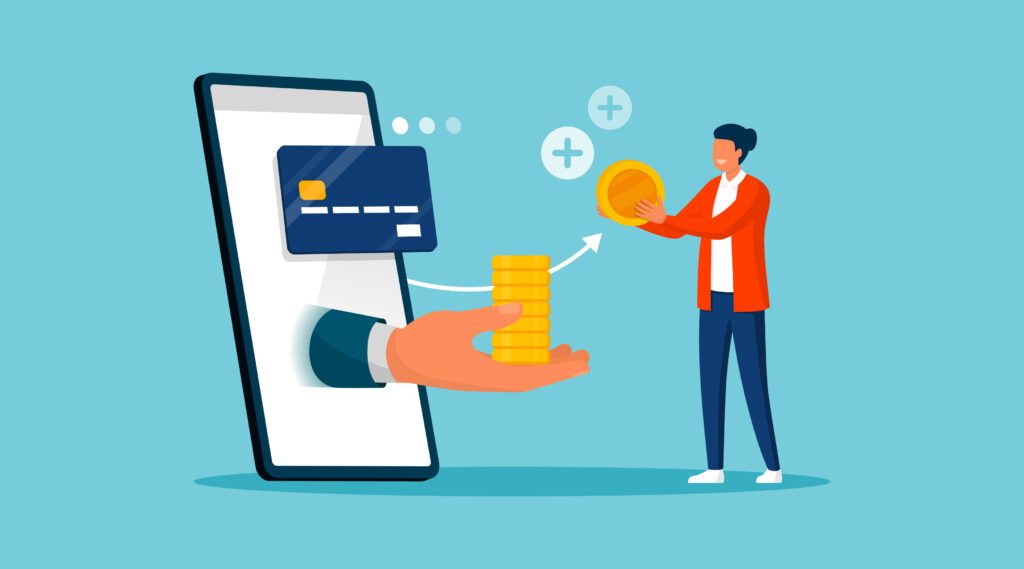
Cashback credit cards are relatively simple in design but highly effective in delivering rewards. The premise is straightforward: when you make a purchase with your card, you earn a small percentage back in the form of cash.
The rate can vary depending on the card and the purchase category. For example, a card might offer 1% cashback on all purchases but increase to 3% or 5% for specific categories like groceries or gas stations. Many cards offer tiered rewards systems where different types of spending yield different cashback percentages.
Some cards might even rotate categories every few months, requiring users to activate their bonus categories to maximize their cashback. While this might sound complex, for many consumers, the flexibility to earn higher cashback on various categories provides a satisfying way to optimize savings.
On top of that, cashback can be redeemed in various ways. Many Americans choose to apply it directly to their credit card bill, but it can also be taken out as a statement credit, gift card, or even deposited into a bank account. This versatility is another reason why cashback credit cards remain a favorite for day-to-day spending.
Popular cashback credit cards in the United States
Several major financial institutions offer competitive cashback credit cards, each with its unique perks. Some of the most popular ones in the U.S. include Chase Freedom, Discover it, and Citi Double Cash. Each of these cards offers different structures, making it easier for consumers to choose the best fit for their spending habits.
Chase Freedom Flex
The Chase Freedom Flex card is well-known for its rotating categories, offering 5% cashback on selected categories that change quarterly. It requires cardholders to activate these categories every three months to earn the bonus rate.
This feature adds an element of engagement and planning, as users must stay updated on the categories to maximize savings. In addition to this, it offers a flat 1% cashback on all other purchases, making it a versatile option for both planned and spontaneous spending.
Discover it Cashback
Discover it is another strong contender in the cashback space, offering similar rotating categories to Chase Freedom Flex. However, what sets Discover apart is its first-year Cashback Match, which doubles the cashback earned during the first year for new cardholders.
This feature attracts many Americans looking for an initial savings boost. Like other cards with rotating categories, Discover it requires users to activate the bonus categories but provides a standard 1% on all other purchases.
Citi Double Cash Card
For those who prefer simplicity, the Citi Double Cash Card stands out by offering a flat 2% cashback on all purchases—1% when you buy and another 1% when you pay off the purchase. This straightforward approach appeals to individuals who want consistent cashback without worrying about category activations or rotating categories. Its easy-to-understand structure and strong rewards make it one of the best all-around cashback cards in the U.S.
Maximizing cashback rewards
To truly benefit from cashback credit cards, it’s essential to strategize spending and optimize card use. Many savvy cardholders in the U.S. have developed ways to maximize their rewards by aligning their spending habits with the card’s reward categories. This may mean using one card for groceries, another for dining, and yet another for travel, depending on which card offers the highest cashback for each category.
How to maximize rewards:
- Know your categories: Pay attention to which cards offer the best cashback in which spending categories. This can change quarterly for some cards, so it’s important to stay informed.
- Track your spending: Use tools or apps to track how much you’re spending in each category. This will help you ensure you’re using the right card for the right purchases.
- Avoid carrying a balance: Cashback benefits are best enjoyed when you’re not paying high interest on your purchases. Always aim to pay off your balance in full to avoid interest charges that can wipe out your cashback earnings.
- Combine rewards programs: Some cards allow you to stack rewards with other programs, such as loyalty points from stores or gas stations, providing a double benefit for the same purchase.
By following these strategies, Americans can turn even modest spending into a consistent stream of savings, accumulating significant rewards over time.
The rise of cashback in a digital world
With the rapid rise of digital and contactless payments, cashback programs have adapted to ensure they stay relevant in an increasingly cashless society. Americans are using mobile wallets like Apple Pay, Google Pay, and Samsung Pay, which integrate seamlessly with cashback credit cards.
These platforms make it easier for consumers to keep track of their rewards and ensure that they’re maximizing their earnings on every transaction, whether in-store or online. Moreover, credit card issuers have begun to offer special cashback rates for digital payments, incentivizing the use of these modern platforms.
This is particularly beneficial for online shoppers, as many cards now offer increased cashback for purchases made through e-commerce platforms. As a result, digital spending and cashback rewards go hand in hand, further encouraging Americans to rely on their credit cards for everyday purchases.
Furthermore, the ease of redeeming cashback has improved with digital banking. Most cardholders can now redeem their cashback through mobile apps, simplifying the process and making the benefits more tangible. Whether they choose to use their cashback as a statement credit or have it deposited directly into their checking account, the digital age has made earning and using cashback faster and more convenient than ever.
Conclusion
Cashback credit cards have revolutionized the way Americans think about spending. By turning ordinary purchases into opportunities for savings, these cards have become an essential tool for millions of consumers looking to stretch their dollars further.
With so many options available and strategies to maximize rewards, it’s no wonder that cashback programs are more popular than ever. As digital payments continue to rise and cashback offerings evolve, the potential for savings will only grow, making credit cards an indispensable part of modern financial planning.
