
In today’s fast-paced world, managing expenses effectively is a crucial part of financial wellness. The traditional reliance on credit cards, though convenient, has its share of challenges, especially for those prone to overspending or grappling with unpredictable fees. Prepaid credit cards offer an alternative, allowing users to load funds in advance and spend only within that limit.
This approach is gaining popularity in the United States as more individuals seek ways to control their finances and avoid debt traps. Unlike conventional credit cards, prepaid cards do not involve a credit line or interest charges, making them an attractive choice for many. But are they truly the smarter choice for managing expenses, or do they have limitations that could hinder financial goals?
Understanding the basics of prepaid credit cards
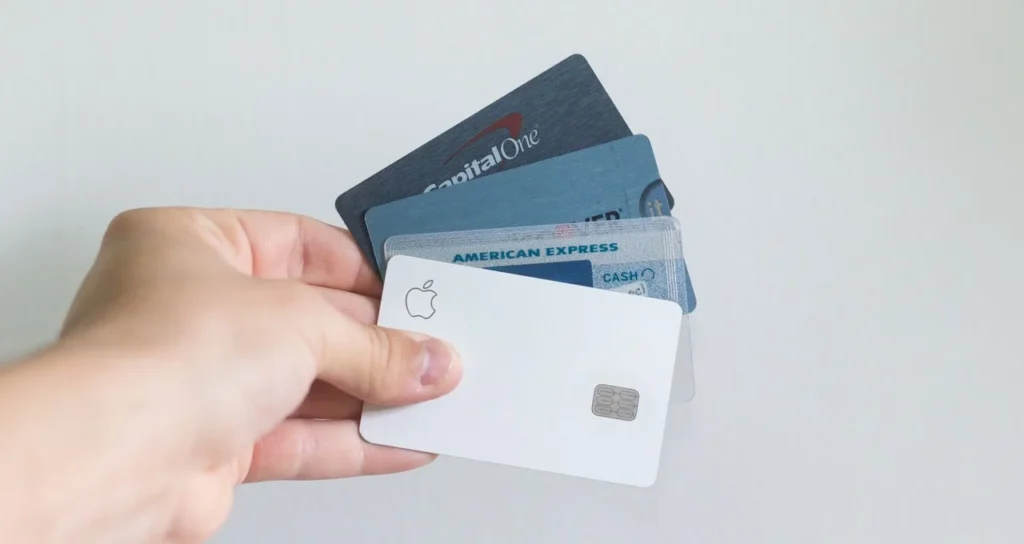
Prepaid credit cards differ from traditional credit cards in significant ways. With a prepaid card, you load money onto the card before using it, as opposed to borrowing money from a credit line as with a standard credit card. Because you are spending only the funds you’ve preloaded, there’s no risk of accruing debt, which makes prepaid cards a viable option for those looking to avoid credit pitfalls.
In addition, prepaid cards usually don’t require a credit check, so they are accessible to those with limited or poor credit history. Traditional credit cards, by contrast, involve ongoing credit checks and the risk of high-interest charges if balances aren’t paid off in full monthly.
Another distinguishing feature is the lack of rewards. While many traditional credit cards offer cash-back, points, or travel miles, prepaid cards generally lack these perks, as they are focused primarily on expense management rather than rewards. However, the absence of rewards is often offset by the benefits of staying within a budget.
Additionally, prepaid cards can be used virtually anywhere credit cards are accepted, adding convenience without the hidden fees or debt risk often associated with credit cards. Prepaid cards are, therefore, an accessible option that can complement other financial tools, especially for those focused on financial control rather than building credit or earning rewards.
Benefits of using prepaid credit cards for budgeting
Using prepaid credit cards for budgeting provides tangible benefits for users who prioritize financial control. The foremost advantage is the ability to prevent overspending since the card’s balance directly limits the user’s spending capacity.
This budget constraint can be particularly valuable for those trying to curb impulse purchases or monitor their spending patterns. By regularly loading a specific amount onto the card, users can easily allocate funds for necessities like groceries, transportation, and entertainment without the temptation to overspend, making it easier to adhere to a set budget.
Additionally, many prepaid card providers offer budgeting tools that help track expenditures in real-time, often through mobile apps. These tools provide detailed transaction histories and categorization options, allowing users to analyze spending trends and adjust budgets as needed. Another benefit is the absence of interest rates or late fees, which can accumulate with traditional credit cards.
With prepaid cards, users avoid these extra charges, allowing them to allocate funds more effectively without worrying about mounting fees. For people trying to build a savings habit, a prepaid card can also act as a form of enforced discipline, as funds must be actively reloaded rather than relying on an open line of credit. Thus, prepaid credit cards can simplify budgeting efforts, offering a straightforward and manageable tool for expense management.
Key points to consider when choosing a prepaid credit card
- Fees: Prepaid credit cards can sometimes carry various fees, including monthly maintenance fees, ATM withdrawal fees, or foreign transaction fees. Comparing options and understanding the fee structures of different cards can help minimize costs.
- Reload options: Some prepaid cards allow free reloads via direct deposit, bank transfer, or at specific retail locations. Finding a card that offers convenient and cost-effective reload options can make the experience smoother.
- Accessibility and acceptance: Ensure that the card you select is widely accepted to avoid any inconvenience when trying to make purchases. Major networks like Visa and Mastercard generally offer extensive acceptance.
- Online management tools: Consider whether the prepaid card provider offers user-friendly apps or online platforms to track spending and manage reloads. Such tools can enhance the overall experience and provide better insight into spending.
- Security features: Some prepaid cards offer protections similar to those on debit or credit cards, such as fraud protection and virtual card numbers for secure online purchases.
Ideal use cases for prepaid credit cards
Prepaid credit cards are versatile tools that suit a variety of financial situations and individual needs. One of their ideal applications is for travelers. International travelers often prefer prepaid cards for the security and control they offer, allowing them to load a designated amount for trips and avoid unexpected exchange fees or unauthorized spending.
Prepaid cards can be easily reloaded from abroad, making them a reliable companion for extended travels. Additionally, with the fraud protection many providers offer, travelers can feel confident that their funds are safe in case of loss or theft.
Parents may also find prepaid cards a valuable tool for managing allowance or school expenses for their children. By giving a child a prepaid card, parents can control spending limits and track where funds are used without the risks associated with a traditional credit card. This approach offers a sense of financial responsibility while ensuring spending remains within manageable limits.
Finally, prepaid cards are helpful for individuals aiming to rebuild or establish their credit histories indirectly. While prepaid cards don’t directly impact credit scores, responsible spending and budgeting habits developed with them can serve as a foundation when transitioning to traditional credit products. With features that cater to specific financial goals, prepaid credit cards can serve as a practical tool in various scenarios.
Conclusion
In summary, prepaid credit cards can be a powerful tool for managing expenses, offering unique benefits for users looking to control spending without the risks associated with traditional credit cards. While they may lack rewards and have associated fees, the ability to prevent overspending and track expenditures in real-time makes them a popular choice for budgeting.
From travelers to parents and individuals aiming for financial discipline, prepaid credit cards present a flexible and accessible alternative. With careful selection based on fees, reload options, and additional tools, these cards can provide a straightforward way to stay on track financially. As with any financial product, understanding the terms and features of prepaid credit cards is crucial to making the most of them as part of a balanced approach to money management.
