
In recent years, the United States has witnessed notable advancements in debit card security technology. These developments aim to protect consumers from fraud and enhance the overall security and efficiency of financial transactions, ensuring peace of mind for cardholders.
From the adoption of EMV chip technology to the implementation of biometric authentication, the landscape of debit card security is evolving rapidly. This article delves into the latest innovations, examining how they are reshaping the industry and providing greater peace of mind to consumers.
EMV Chip Technology: A Game Changer
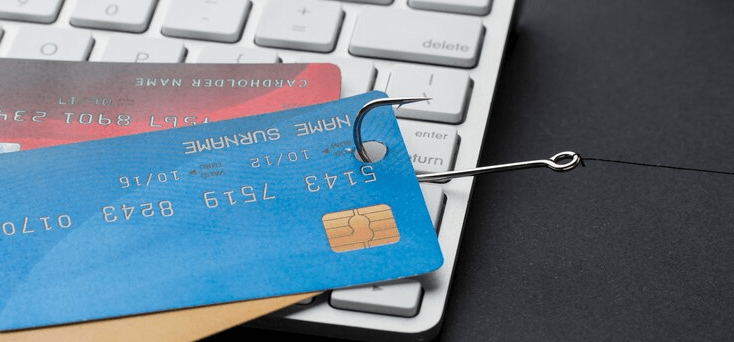
The Rise of EMV
The migration to EMV (Europay, MasterCard, and Visa) chip technology marks one of the most significant advancements in debit card security. Unlike traditional magnetic stripe cards, EMV cards contain a microprocessor chip that creates a unique transaction code for each purchase. This makes it nearly impossible for fraudsters to duplicate the information, thereby significantly reducing card-present fraud.
Benefits of EMV Technology
- Enhanced Security: The unique transaction codes generated by EMV chips provide a robust layer of security, making it difficult for criminals to clone the card.
- Global Acceptance: EMV technology is widely accepted around the world, facilitating secure international transactions for US consumers.
- Reduced Fraud Rates: Since the widespread adoption of EMV technology, there has been a noticeable decline in counterfeit card fraud.
Biometric Authentication: The Future of Secure Payments
What is Biometric Authentication?
Biometric authentication uses unique physical characteristics, such as fingerprints, facial recognition, or iris scans, to verify a user’s identity. This technology is becoming increasingly popular in the realm of debit card security, providing an additional layer of protection that is difficult to replicate.
Implementation in Debit Cards
- Fingerprint Scanners: Many financial institutions are now incorporating fingerprint scanners into their mobile banking apps, allowing users to authenticate transactions securely.
- Facial Recognition: Some banks are exploring the use of facial recognition technology to authorize transactions, adding convenience and security for consumers.
- Voice Recognition: Voice recognition is another emerging technology being tested to authenticate users during phone-based banking transactions.
Tokenization: Protecting Data in Transit
Understanding Tokenization
Tokenization involves replacing sensitive debit card information, such as the card number, with a unique identifier or “token.” This token is used during the transaction process, ensuring that the actual card details are never exposed. Tokenization is a crucial technology for securing both online and in-store payments.
Advantages of Tokenization
- Data Security: By substituting actual card information with tokens, the risk of data breaches and theft is significantly minimized.
- Compliance: Tokenization helps financial institutions comply with stringent data security standards and regulations.
- Versatility: Tokens can be used in various payment scenarios, including mobile payments, online shopping, and contactless transactions.
Artificial Intelligence and Machine Learning: Detecting and Preventing Fraud
The Role of AI in Fraud Detection
Artificial Intelligence (AI) and Machine Learning (ML) are revolutionizing the way financial institutions detect and prevent fraud. These technologies analyze vast amounts of transaction data in real-time, identifying patterns and anomalies that may indicate fraudulent activity.
Implementation Strategies
- Real-Time Monitoring: AI systems continuously monitor transactions, providing instant alerts and responses to suspicious activities.
- Behavioral Analysis: Machine learning algorithms analyze user behavior to establish a baseline of normal activity, making it easier to detect deviations that could signify fraud.
- Predictive Analytics: By leveraging historical data, AI can predict and preempt potential fraud attempts, enabling proactive measures to protect consumers.
The advancements in debit card security technology in the United States are not merely transforming but revolutionizing the way we conduct financial transactions. The widespread adoption of EMV chip technology has drastically reduced instances of fraud by generating unique transaction codes for each purchase, rendering it extremely challenging for fraudsters to duplicate card information.
Simultaneously, the innovative use of biometric authentication, including fingerprint scanners, facial recognition, and voice recognition, adds an extra layer of security that is both robust and convenient for consumers.
Moreover, tokenization, which replaces sensitive card information with unique identifiers during transactions, ensures that actual card details remain secure, whether for online shopping, mobile payments, or contactless transactions.
The integration of artificial intelligence and machine learning further bolsters security measures by enabling real-time monitoring, behavioral analysis, and predictive analytics to detect and prevent fraudulent activities swiftly.
As these technologies continue to evolve and intertwine, consumers can anticipate an increasingly fortified and seamless financial landscape, promising enhanced safety and convenience in their day-to-day transactions.
